


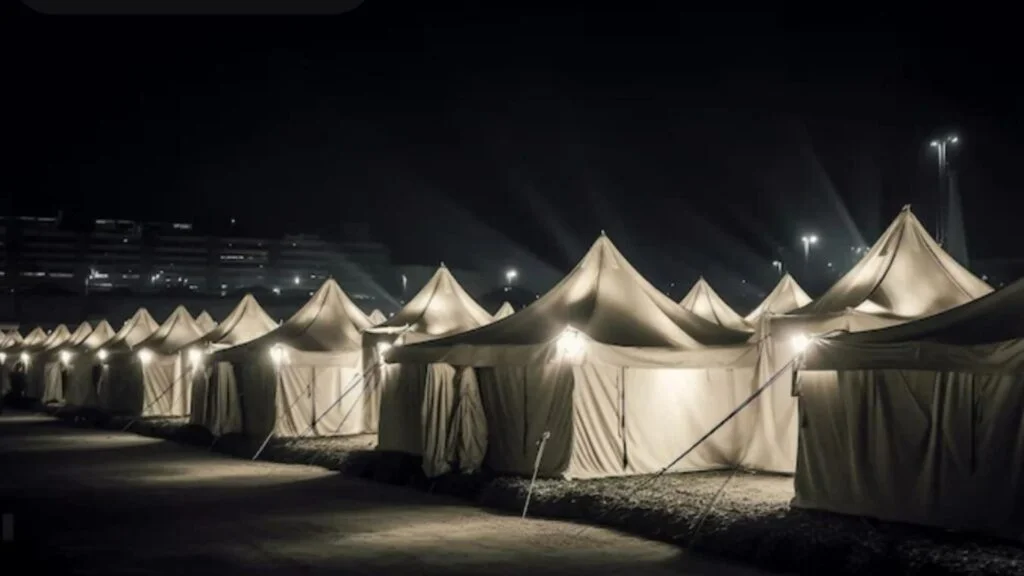
Brands, commercial events, and trade shows are great ways to share products, draw people in, and boost brand visibility. But sometimes windy weather can make a great exhibition space a structural problem. When temporary displays, promotional tents, banners, and large canopies are inadequately constructed and installed, they are susceptible to wind pressure, from which they can be blown over, fabric damage, or movement. For outdoor exhibitions, promotional events, and commercial gatherings, custom tents can offer a more reliable basis for a project using the appropriate structural features. For any business using a frame-built structure or a rented display, it’s important to understand frame strength, anchoring systems, fabric tension, and aerodynamic design to ensure stability and safety in windy conditions.
5 Structural Factors That Keep Outdoor Displays Stable in Windy Weather
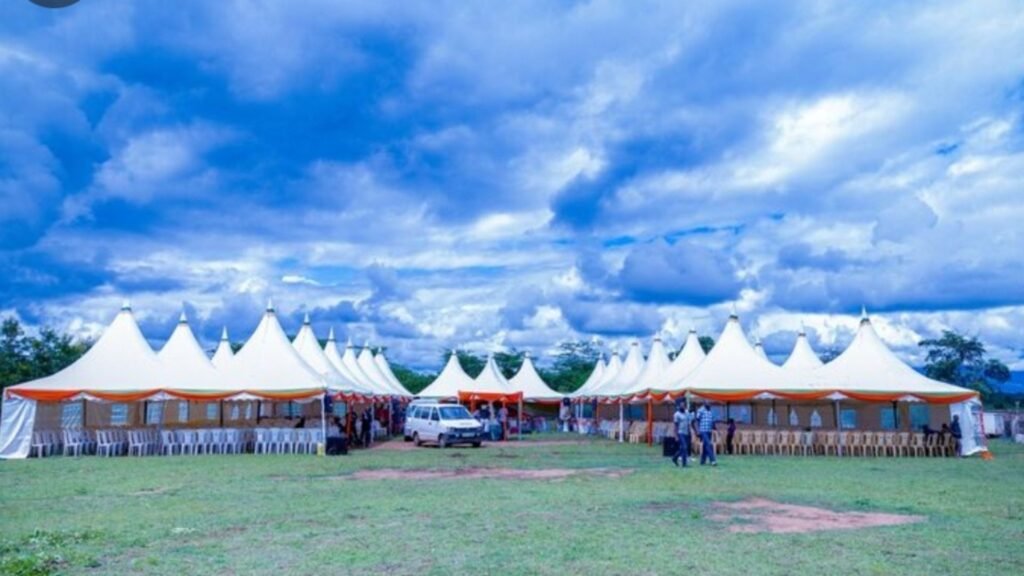
Source: Freepik
- Strong Frame Construction and Balanced Weight Distribution
The frame structure is the basis of an outdoor exhibition tent. The material, thickness, type of joint, and the overall configuration are factors in its ability to resist wind pressure. Aluminum frames are often chosen for their durability, corrosion resistance, and lightweight nature, making them ideal for outdoor applications, while steel frames can offer further structural strength in appropriate settings.
A proper frame distributes the loads over the frame elements and not just at a few parts of the frame. During normal operating conditions, the joints are reinforced, locking mechanisms are secure, and connectors are well-fitted to prevent unwanted movement. With larger installations, such as tents for food vendors paired with branded market umbrellas, there are also practical requirements for the counters, equipment, and the number of visitors that must be considered, especially with a larger food vendor tent.
- Reliable Anchoring and Ground Connection Systems
With a good frame, even if it is strong, it cannot stand with poor anchoring. Wind will produce horizontal forces and uplift pressures; therefore, a temporary structure may be needed to shift and/or lift it over time, especially if it has a large canopy surface.
Using ground stakes, approved ballast weights, tie-down straps, and reinforced attachment points to help secure the tent to the installation surface. The type of anchoring is determined by the ground and tent size, manufacturer requirements, and venue needs. Different solutions may be required for different grass, concrete, asphalt, and paved exhibition areas.
All connections should be tested before the event is started. All anchoring equipment should also be checked during the event, especially when wind changes. Any improvised weights or unfit fixing techniques will increase the hazards and should not be used.
- Aerodynamic Canopy Design and Controlled Wind Exposure
Canopy shape and configuration will affect the movement of wind around an outdoor display. Strong gusts can cause a lot of pressure on large flat surfaces, and poorly positioned sidewalls can provide greater resistance from moving air being trapped.
When designing a tent, canopy geometry, roof slope, openings, and sidewall configuration are all factors that are taken into consideration. Sloped or peaked roof designs can be used to help control the flow of water and affect the airflow, but there is no specific shape that makes a roof stable in extreme wind conditions.
Sidewalls can be useful in limiting sunlight and rain, but may need to be installed according to the manufacturer’s instructions.
- Durable Fabric, Reinforced Seams, and Proper Tension
The appearance and structure of a canopy are enhanced with canopy fabric. The loose material may vibrate in the wind, causing excess strain on stitches, attachments, and frame connections. When a canopy is properly tensioned, it will be steady and will not have too much movement.
Exhibition tents are usually made from a durable polyester fabric that has been treated with a protective coating. Reinforced seams, good hems, attachment points, and fasteners keep tearing to a minimum during normal use.
- Structural Inspections and Weather-Based Safety Planning
It’s not just the original construction that makes for long durability. Prior to each deployment, frames, connectors, anchoring equipment, canopy fabric, and fasteners should be inspected. Regardless of how well designed a display is, if it has damaged or missing parts, it can affect performance.
Inspection of rented exhibition tents must be determined prior to the event, and installation procedures must be made clear. Custom buildings also need maintenance, especially if they are used at multiple events and locations in various weather conditions.
Monitoring of the weather is also essential. Continued use should be based on forecasts, changing wind speeds, venue restrictions, and manufacturer-specified operating limits.
End Point
Safety is important for reliable outdoor displays, which should be anchored correctly, use strong frames, be well planned, use appropriate materials, and be inspected regularly. All of these structural factors act synergistically in making the structure more stable under specified operating conditions. Proper installation and weather monitoring are still crucial, ensuring the safety of visitors and professional displays at outdoor events while safeguarding the exhibition equipment.

