


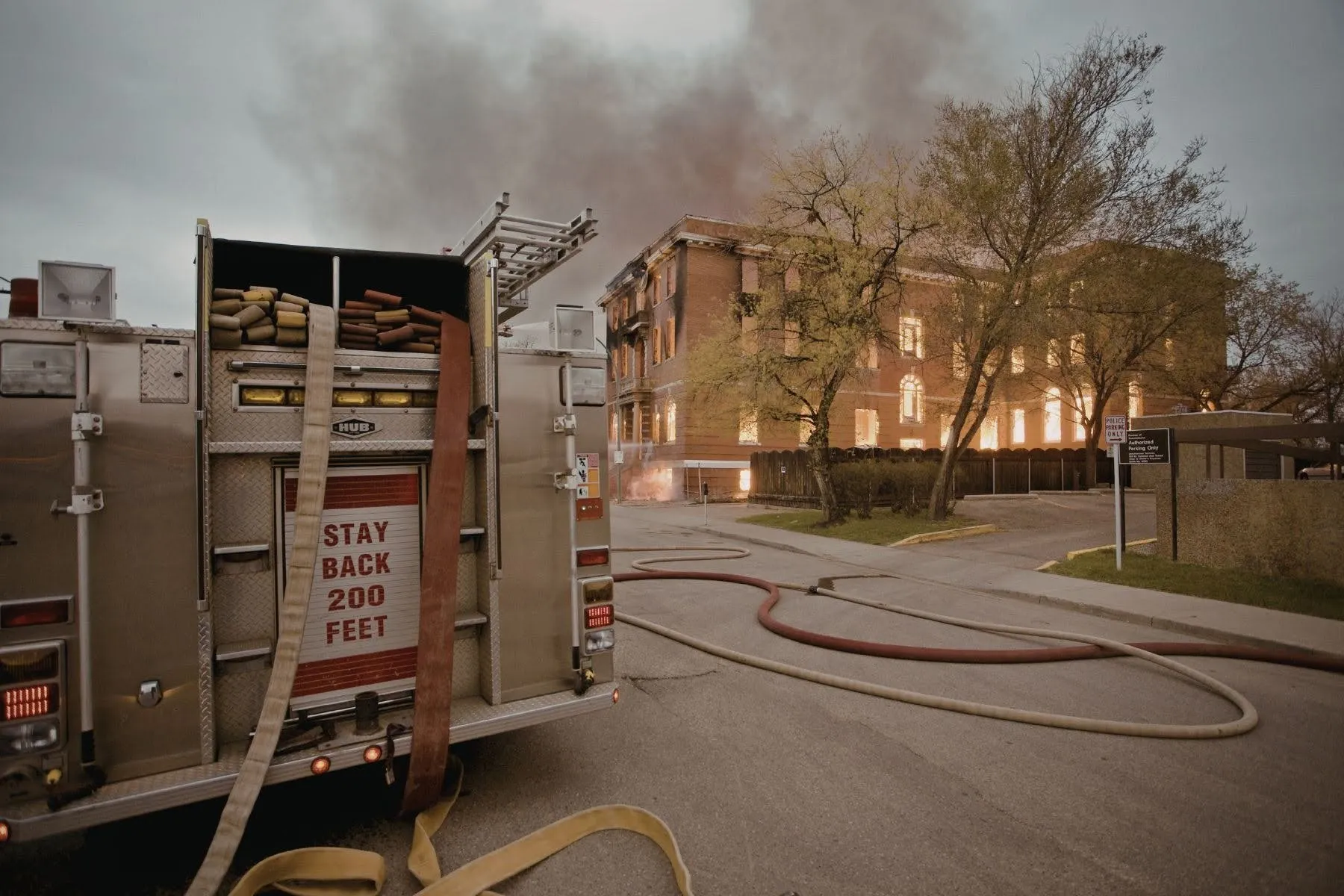
A burst pipe at 2 a.m. doesn’t care that you have a client presentation in the morning. Neither does a kitchen fire next door that sends smoke through a shared wall, or a storm that peels back part of your roof. Property damage rarely arrives at a convenient time, and most business owners have never rehearsed what to do when it does.
The first day or two after a loss often decides how much you lose in total. Quick, organized decisions can protect your building, your inventory, and your revenue. Slow or scattered ones tend to make everything more expensive.
This guide covers the practical steps: what to do first, how to deal with insurance, how to choose help, and how to keep customers and staff in the loop while the cleanup happens.
Why the First Hours Matter More Than You Think
Damage doesn’t stop when the water stops flowing or the flames go out. Moisture keeps moving through drywall, insulation, and flooring. Mold can begin to grow within a day or two in damp conditions. Smoke residue is acidic and can etch surfaces and corrode metal the longer it sits.
That is why professionals talk about “mitigation,” which simply means stopping further damage. Mitigation comes before repair. You dry the structure, remove what can’t be saved, and secure the property before anyone starts rebuilding.
Business owners sometimes skip straight to repair because they want to reopen quickly. That instinct is understandable, but rebuilding over a wet or contaminated structure usually leads to bigger problems later, including odors, warped materials, and hidden mold.
Step One: Safety Before Everything Else
Before you think about inventory or insurance, make sure everyone is safe. Get employees and customers out of the building if there is any risk. Call emergency services for fire, gas smells, or structural concerns.
Once the situation is stable, ask a few basic questions:
- Is the electricity safe? Standing water and live outlets are a dangerous combination.
- Is the structure sound? Sagging ceilings and saturated drywall can collapse.
- Is there a gas or chemical risk? If you smell gas, leave and call the utility company.
- Can the source be stopped? Shutting off the main water valve can limit a plumbing failure quickly.
Don’t re-enter a damaged area until you know it’s safe. Equipment and papers can be replaced. People can’t.
Step Two: Document Everything
Insurance claims run on evidence. Before anything is moved, thrown away, or cleaned, photograph and film the damage from several angles. Capture wide shots of each room and close-ups of affected equipment, furniture, and stock.
Keep a running list of what was damaged, roughly what it cost, and when you bought it if you know. If you have receipts or an asset register, pull them together. Make notes on dates and times, including when you first noticed the problem, when you shut off utilities, and who you called.
This might feel tedious in the middle of a crisis. It pays off later. Adjusters can only approve what they can verify, and vague claims are slower to settle.
Don’t Throw Things Out Too Early
It’s tempting to haul out ruined carpet or soaked ceiling tiles right away. Take photos first, and ask your insurer or restoration team what they need to see before disposal. Some items may need to be kept for inspection.
Step Three: Call Your Insurance Provider Early
Report the loss as soon as you reasonably can. Many policies require prompt notice, and delays can complicate things.
When you call, have your policy number ready and be ready to describe what happened in plain terms. Ask what your policy covers, what the deductible is, and whether it includes business interruption coverage. That last one matters more than many owners realize.
Understand Business Interruption Coverage
Business interruption coverage is designed to replace lost income while your property is being repaired. It may also cover ongoing expenses like payroll and rent during the closure. Not every policy includes it, and the details vary, so read the wording or ask your agent directly.
Keep records of your normal revenue and expenses. Insurers will want to compare them against the period you were closed or operating at reduced capacity. Recent profit and loss statements and tax filings help here.
Know What Your Policy Excludes
Some policies treat sudden events like a burst pipe differently from slow leaks, or cover wind damage but not flooding from rising water. Flood coverage, for example, is often separate. You don’t want to learn these distinctions after the fact, so a policy review once a year is worth the time.
Step Four: Choose the Right Help
Once the immediate danger has passed, you’ll need people who can handle the physical work: extracting water, drying structures, removing smoke damage, and securing the building. This is not a job for a general cleaning crew or a few borrowed fans.
Water damage, for instance, is classified by how contaminated the water is and how far it has spread. Clean water from a supply line is a different problem from floodwater or sewage. Drying a building properly means measuring moisture inside walls and floors, not just looking at what’s visible. Specialists use moisture meters and industrial drying equipment, and they track progress until the structure reaches safe levels.
When you’re comparing providers, a few questions help:
- Do they offer 24/7 emergency response? Damage doesn’t wait for business hours.
- Are their technicians certified? The IICRC is a common industry certification body for restoration work.
- Do they have experience working with insurers and handling claims paperwork?
- Can they handle both mitigation and repair, or will you need a second contractor?
- Do they work on commercial properties, not just homes?
Businesses in the Chicago area, for example, can find professional restoration services that offer round-the-clock emergency response for water, fire, storm, and mold damage. Whichever provider you consider, the same principle applies: ask for credentials, ask how they document their work, and make sure you understand the scope before work begins.
Step Five: Keep the Business Moving
While the building is being dried out or repaired, your customers still expect answers and your employees still need direction. Operational continuity is its own project, and it runs alongside the physical cleanup.
Communicate Early and Honestly
Tell your staff what happened, what you know, and when you’ll update them next. People handle uncertainty better when they hear from you regularly, even if the update is “no change yet.”
Customers and clients need a short, clear message too. Explain that you’ve had a property incident, say how it affects service, and tell them how to reach you. You don’t need to share every detail. You do need to avoid going silent.
Set Up a Temporary Workspace
If your office is unusable, decide quickly whether people can work from home, a coworking space, or another location. Many service businesses can shift to remote work for a few days or weeks with a laptop and a phone. Retail and hospitality businesses have a harder time, but a pop-up arrangement or partial operation may be possible.
Forward your main phone line to a mobile number or an answering service. Update your website and Google Business listing with temporary hours or a notice. Small things like this stop customers from assuming you’ve closed for good.
Protect Your Records and Equipment
Paper files, servers, and specialized equipment need attention early. Water and smoke can destroy documents and electronics quickly. A restoration team can often handle contents pack-out, which means carefully removing and storing salvageable items off-site while the structure is repaired.
If you back up your data to the cloud, you’ll be glad you did. If you don’t, this is a good reason to start.
Talk to Your Landlord, Property Manager, or Neighbors
If you lease your space, your landlord may be responsible for part of the repair, and their insurance may be involved. Clarify early who covers what. If the damage came from a neighboring unit, there may be questions about liability, and good records will help sort that out.
Step Six: Plan for the Next Time
Once the dust settles, take a hard look at what worked and what didn’t. A short written continuity plan can save you a great deal of stress in the future.
A useful plan doesn’t need to be long. It can fit on a couple of pages and include:
- Emergency contacts for utilities, your insurance agent, and a restoration company
- The location of shutoff valves, electrical panels, and gas lines
- A list of critical systems, files, and equipment, and where backups live
- A communication tree for staff and key clients
- Photos or video of your premises and inventory in good condition
Store a copy offsite or in the cloud, and make sure more than one person knows where it is. A plan that lives only in the owner’s head isn’t much use if the owner is traveling when something happens.
Cheap Prevention Is Still Worth It
You can’t prevent every disaster, but you can lower the odds. Have plumbing and HVAC systems inspected regularly. Test smoke detectors and sprinklers. Clear gutters and drains before storm season. Check your roof after severe weather, and fix small leaks before they become big ones.
Water sensors are inexpensive and can alert you to a leak in a storage room or server closet long before you’d notice it yourself. For a business that closes on weekends, that early warning can make a real difference.
Common Mistakes to Avoid
Business owners under pressure tend to repeat the same errors. Knowing them in advance helps you avoid them.
- Waiting too long to call for help. Hoping a wet area will dry on its own often leads to mold and structural problems.
- Skipping documentation. Missing photos and records can reduce or delay a claim.
- Cleaning up before the insurer sees the damage. Check first, then clean.
- Signing the first contract you’re handed. Read the scope of work and ask questions.
- Forgetting about communication. Silence worries customers and employees more than bad news does.
- Reopening too soon. If the space isn’t fully dried, cleaned, and cleared, you risk health and safety problems.
Final Thoughts
Property damage is stressful, but it’s manageable when you know the order of operations. Make people safe first. Document what you see. Call your insurer promptly. Bring in qualified help to stop the damage from spreading. Then focus on keeping your customers informed and your operations moving, even if they look different for a while.
The businesses that recover best usually aren’t the luckiest ones. They’re the ones that had a plan, kept good records, and acted quickly. Spend an hour this month checking your insurance coverage, finding your shutoff valves, and writing down the phone numbers you’d need at 2 a.m. You’ll be glad you did if that call ever comes.

